Between the Shelves: A Practical Guide to Screening Artists’ Moving Image in UK Libraries
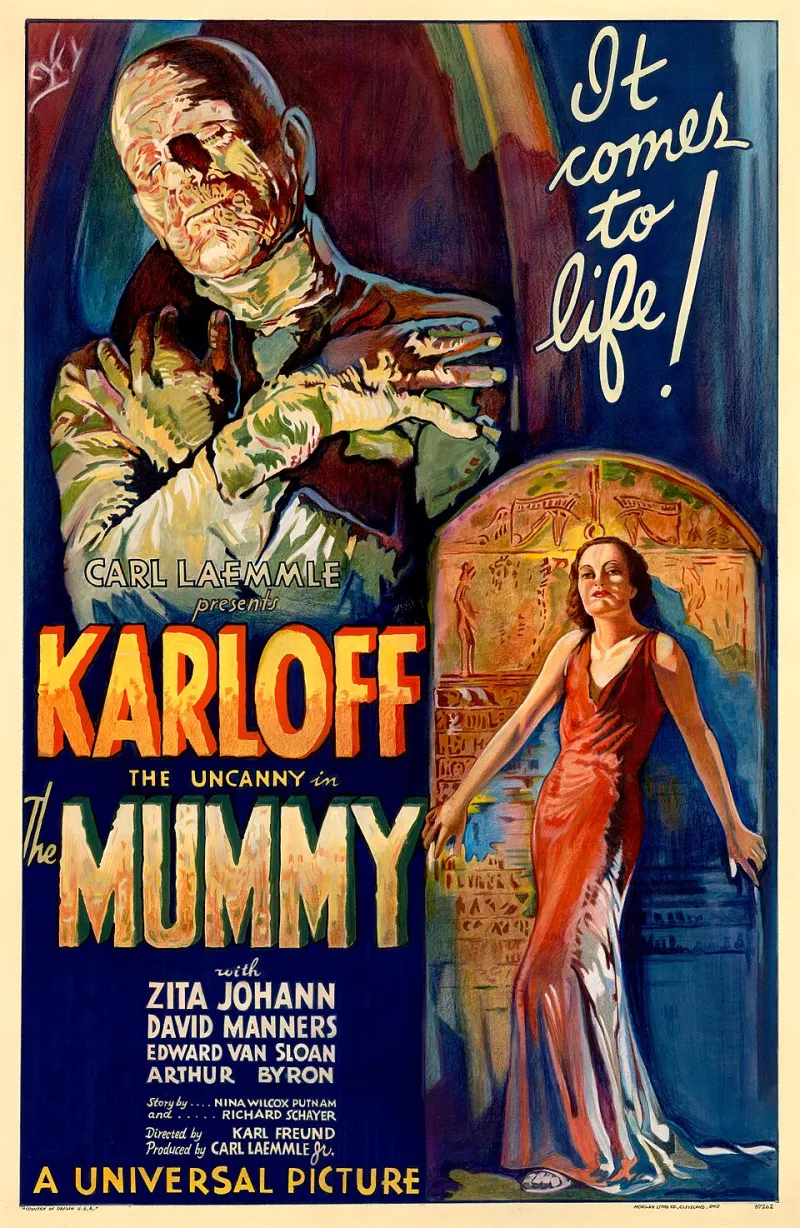
Photo: Karoly Grosz, Public domain, via Wikimedia Commons
The first time someone asks you to screen work in a library, it sounds like a favour. They have a room, a projector, and a steady stream of people who came in for the photocopier. But a library is not a cinema with no ticket desk. It is a different kind of public space: open, free, and full of people who did not come for you. That is the opportunity. Design for it properly and a library can be one of the smartest screens in the UK for artists’ moving image. Treat it like a free cinema and you will spend the next month blaming the projector.
At Gina Cross Projects, we have been watching moving-image work migrate into odd, useful rooms — and libraries are some of the oddest and most useful. They are trusted, accessible, high-footfall venues. They are also busy, under-resourced, and run to their own logic. The trick is to work with that logic rather than against it.
Start with the library’s day, not your runtime
Libraries run on rhythms: opening hours, school runs, job clubs, toddler rhyme time, quiet afternoons. Ask branch staff when the room is genuinely usable, not just technically free. A 12-minute film can work as a loop in a busy foyer. A 40-minute single-channel piece needs a darker, seated space and a clear start time. Do not assume evening is best. Many UK libraries shut at 5pm or 6pm. Lunchtime, Saturday morning, or a Thursday afternoon may pull a more mixed crowd — and a more honest one.
Visit at the time you plan to screen. Sit in the room. Watch where the light falls. Notice whether the public can walk through the middle of your piece on their way to the toilet. That is not a fail; it is the venue. Build around it.
The technical ask is smaller than you think — and bigger than you hope
Most libraries have a ceiling projector and a small speaker system. Some have a meeting room with blinds. Very few have blackout, a proper sound rig, or a technician who can troubleshoot a DCP. That is fine. Your job is to test your file on their kit before the public arrives.
Ask about resolution, aspect ratio, ambient light, and sound. Ask whether you can bring your own laptop, cables, and adapters. Bring a backup. Do not rely on the library’s wifi; use local files. If the room cannot go dark, make work that tolerates light or bring portable blackout. If the built-in speakers are thin, bring a powered speaker and check the volume with the room full, not empty.
Access is not an afterthought. Provide open captions or subtitles. Supply a transcript. Add content notes. Think about audio description for visually impaired audiences, and easy-read information at the desk. Libraries are public buildings with public obligations; your screening should meet that bar too.
Licensing and money: it is not a free screening room
Even if you made the film, check the music, archive footage, performer releases, and location permissions. Public performance rights are a real thing. If you are screening other artists’ work, get written permission and pay a screening fee. Do not assume the library has a blanket licence that covers everything. Ask. If you are showing a commercial film, that is a different conversation involving Filmbankmedia or the Motion Picture Licensing Company. For artists’ moving image, direct agreements are usually the way.
Money matters. The library may have a small events budget, a Friends group, or a culture officer. That is not the same as a production budget. Pay artist screening fees. Budget for a technician, captions, marketing, and evaluation. If the screening is free to the public, be clear about who is paying and why. A simple one-page letter of agreement is enough for most small-scale screenings: date, time, fee, technical arrangements, marketing, data, cancellation, and evaluation. You do not need a 20-page contract. You do need clarity.
Frame the audience — then get out of the way
Do not call it a cinema. Call it a screening, a drop-in, a loop, a season. Give library staff a 50-word blurb, an image, content notes, run time, and access information. Tell them what to say at the desk. Library audiences are not captive; they are a public. Some people will stay for two minutes. Some will stay for the whole thing. Design for drop-in: loops, repeated screenings, chairs, a printed running order. A short intro and Q&A can work, but do not demand silence in a public library. If the work needs close listening, consider headphones or a silent-disco-style setup — and check that the library is happy with it.
Make it repeatable
The win is not one screening. It is a relationship. Ask what else the library needs: digital skills, local history, family activity, a response to their collection. Offer a workshop or a conversation. Leave a simple pack: the file, captions, transcript, tech notes, marketing copy, and an evaluation form. Pay for staff time where you can. Invite library staff to the screening. Then ask about a quarterly slot. The library gets cultural programming; you get a trusted venue and an audience that might never go to a gallery.
A short checklist before you say yes
- Visit the room at the time you plan to screen.
- Confirm projector, sound, blackout, seating, and access.
- Test your file on their equipment.
- Get permissions and pay fees.
- Budget for captions, access, and a technician.
- Agree a one-page letter of agreement.
- Write desk-friendly copy for staff.
- Offer a repeat date before the first one ends.
The library is not a free cinema. It is a public living room with a projector. Treat it with the same care as a gallery or a festival, and it will show your work to people who were not looking for it. That is the point.