Tea, Toast and Trust: Budgeting for Welcome in Small Art Projects
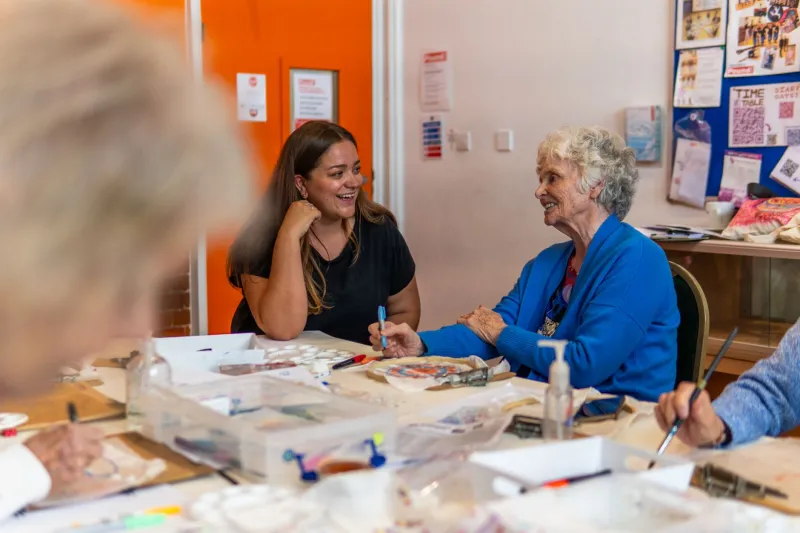
On a wet Tuesday in a church hall in Leeds, a group of us spent forty minutes arguing about a lighting cue. The thing that changed the conversation was not a clever reference or a bigger monitor. It was a tray of tea and a tin of biscuits. Someone put the kettle on, the room exhaled, and the note that had been stuck in everyone's throat finally came out.
That is not a cute anecdote about biscuits. It is a production lesson. Welcome changes the quality of the work because it changes who feels able to stay in the room, think out loud, disagree, ask for a second take, or admit they do not understand the brief. And yet, in most small UK art and media projects, hospitality is the line item that gets quietly deleted when the budget tightens.
The invisible line item
Most independent teams do not set out to be inhospitable. They build the budget from the work backwards: kit, venue, travel, fees, insurance, contingency. Hospitality becomes the thing you sort out on the day, which usually means the least senior person in the room is sent to the shop with a tenner and a vague brief. That is not a budget. It is a hope.
This matters because the labour of welcome is real labour. Someone has to ask about dietary needs, buy the milk alternatives, remember the decaf, fill the water jug, clear the cups, and notice that the room has gone quiet. When that work is invisible, it is usually done by women, junior staff, volunteers, or the person with the least power to say no. Putting hospitality in the budget is not just about catering. It is about making that labour visible and paid.
Welcome is part of access, not a treat
A break is not a luxury if someone is managing a chronic illness, caring responsibilities, sensory overload, medication, breastfeeding, or a long bus journey. A proper pause with food and drink can be the difference between a participant lasting the whole workshop and quietly disappearing at the first coffee break.
So yes, budget the tea. But also budget the conditions around it. A quiet corner away from the main room. A clear timetable that says when the break is and how long it lasts. Alcohol-free options at the evening screening. Ingredients listed clearly so nobody has to announce their allergy to a room of strangers. These are small practical decisions, but they signal that people are expected to arrive as full humans, not as creative machines.
In 2026, with venue costs still climbing and travel eating into everyone's day, hospitality is also a retention strategy. If you want people to come back for the second rehearsal, the third edit session, the final screening, make the room somewhere they can bear to be.
What a good break actually costs
Compared with a wasted rehearsal day, a reshoot, or a participant dropping out because the room felt hostile, a decent hospitality budget is small. The problem is that it is rarely planned at the right moment. It gets squeezed into the last ten per cent of the budget and then cut when the kit hire goes over. Better to decide early what kind of welcome you can actually afford and then protect it.
This is not about pretending every project can lay on a hot lunch. It is about being honest. If the session runs through lunch, say so and provide something substantial or a per diem. If it is a two-hour evening workshop, tea and fruit might be enough. If it is a full shoot day, nobody is at their best on a packet of crisps and a can of warm pop.
A simple 2026 hospitality budget for small teams
Use this as a starting point, not a rigid template. Scale it to the project and the people in the room.
- Hot drinks and cold water for every session, including setup and strike. Budget for milk alternatives, decaf, and enough cups. Do not make the one vegan in the room ask twice.
- Food that assumes dietary needs. Ask ahead, label ingredients, and offer a vegan, gluten-free, and halal option where possible. A shared meal should not require a public confession.
- A scheduled break with time in it. If a session is over three hours, provide substantial food or a clear per diem. Do not call ten minutes with a biscuit a lunch break.
- Travel and access costs. Bus fare, parking, taxi fares for disabled participants, childcare, and overnight costs if the schedule runs late. These belong in the same conversation as the tea.
- A quiet room or low-sensory space. It does not need to be fancy. A side room, a curtain, a sign that says this is not a breakout space for meetings.
- Alcohol-free options and no pressure. Pub culture is not universal. Make the sober option visible and normal at screenings and openings.
- Paid time for the person coordinating hospitality. If making the tea is a task, pay it. If it is shared, rotate it and say so.
- A ten per cent contingency for food and drink. Prices move. Shops run out. People arrive with needs you did not know about.
- A leftovers plan. Containers, a community fridge, or a compost scheme. Waste is part of the budget too.
Put it in the application, not the group chat
If hospitality is part of the work, say so in the funding application and in the project plan. Do not hide it inside 'contingency' or hope someone's mum will bring a cake. Name it as access, retention, and creative trust. Some funders will recognise it under participant costs or access support. Others will not, but that is an argument worth having.
The kettle is not a substitute for a fair fee, a safe room, or a proper schedule. It is one of the small, practical tools that make those things usable. Budget for it early, protect it when the kit hire goes over, and remember that the quality of the work is often decided in the gaps between the work. Someone has to make those gaps hospitable. Put it in the budget.