Ask for the Back Room, Not the Logo: Partnering With UK High Street Shops
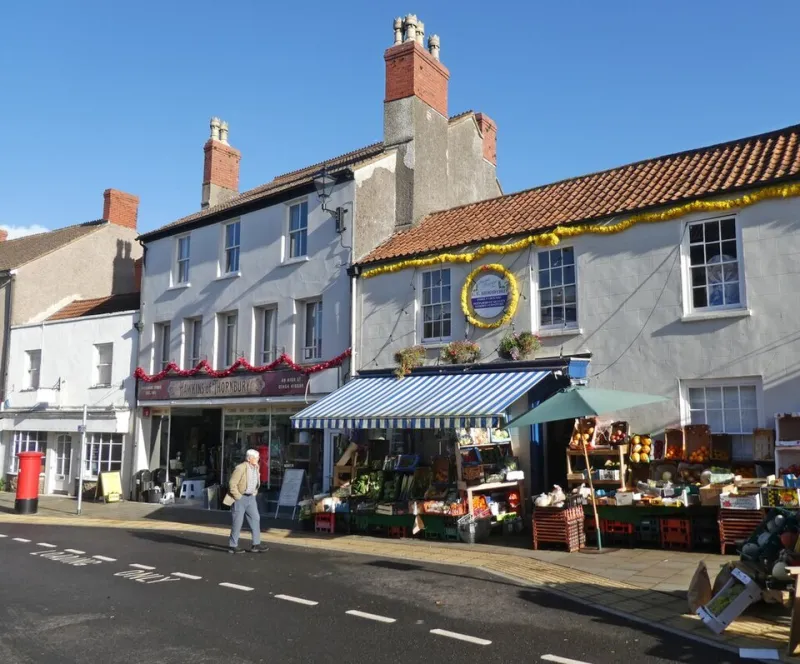
Photo: Roger Cornfoot , CC BY-SA 2.0, via Wikimedia Commons
Most artists approach a high street business the way they approach a funding panel: hat in hand, hoping the word “exposure” will do the work of a budget line. It rarely does. The shop is not a grant scheme with a till. It is a collaborator with its own rhythms, liabilities and audience — and, if you get the invitation right, a genuinely useful one.
The trick is to stop asking a business to “support” your project in the abstract and start asking what you can build together in the specific. That means treating the corner shop, the café, the salon and the record stall as co-producers rather than backdrops. Here at Gina Cross Projects, we have learned that the best partnerships start with a small, honest question: what can this place actually give, and what will it cost them to give it?
Start with what they already do
A high street business is not a blank canvas. It is a working machine made of opening hours, staff rotas, stock deliveries, regulars and a very particular atmosphere. The quickest way to lose a potential partner is to walk in with a big idea that ignores all of that.
Instead, watch the place for a week. When is it quiet? Who comes in? Where is the noticeboard? Does the owner already host a book club, a repair café, a knitting group, a vinyl night? Your project should attach itself to something that already exists, not demand a new infrastructure from a business that is already stretched.
A barber in Leeds once told us that the most useful thing an artist had ever done was simply ask to use the back wall for a rotating zine shelf. No private view, no speech, no “activation”. Just a shelf, a stack of zines, and a quiet agreement that the barber could sell them for a small cut. The shelf is still there. The zines sell. The barber gets a reason for customers to linger. The artists get an audience that would never set foot in a white cube.
Space, time and reach are not the same currency
When you negotiate with a small business, be clear about what you are actually asking for. Space is the obvious one: a window, a wall, a back room, a spare plug socket. Time is less obvious but often more valuable: staff attention, a post on their socials, a mention at the counter. Reach is the third: their regulars, their mailing list, their neighbours.
None of these are free. A window display takes an hour to install and another to take down. A social post takes thought. A back room has to be cleared. If you cannot pay in cash, pay in kind — and be specific about it. Offer to run a free workshop for their customers, design a poster they can keep, or cover the cost of the materials you use. Do not offer “exposure” and call it a budget line. Exposure is not legal tender, and most independent shops have had enough of it to last a lifetime.
Case notes from the pavement
A café in Margate agreed to host a looped film for one month. The owner was clear from the start: no sound, no subtitles on the screen, nothing that would interrupt conversation. So the artist made a silent, captioned version for the café and kept the full sound version for a one-off evening screening. The partnership worked because the constraints were treated as part of the brief, not as obstacles to overcome.
A hardware shop in Bristol lent a projector screen and a stepladder to a local collective in exchange for a small credit in the programme and a promise that the kit would be returned before opening on Monday. The collective also paid for the shop’s staff time on the Saturday morning pickup. No grand sponsorship, no logo lock-up. Just a fair trade between neighbours.
A salon in Hebden Bridge hosted a series of audio pieces through its waiting-area headphones. The salon got something to talk about with clients; the artists got a captive audience of people who were already sitting still. The agreement was one page long: dates, tech needs, who would clean the headphones, and a clear exit date. That was it.
Keep the work yours
The line between partnership and advertising is thinner than it looks. A shop might ask you to include its logo, use its brand colours, or make work that flatters the business. Some of that is reasonable — a credit is fine, a joint poster is fine — but you need to decide early where your editorial control sits.
A useful rule: the work should still make sense if the shop disappeared tomorrow. If your film only works as a backdrop for their coffee beans, it is not a collaboration; it is a commission you have not been paid for. Be clear about what you will and will not change. Most independent owners respect that, because they are protective of their own identity too.
Make it easy to say yes — and easy to say no
A one-page proposal goes a long way. Include what you are asking for, when you need it, what you will provide, who is responsible for what, and how the partnership will end. Put a date on it. Small businesses are used to bookings, deliveries and rotas. They are not used to open-ended creative conversations that might swallow their weekend.
Also make it easy for them to decline. A shop that says no is not a failure; it is a business protecting its time. Ask if you can leave a card, or if they know someone else on the street who might be interested. The high street is a network. A polite no from one owner can become a yes from the shop three doors down.
Measure the right things
Footfall is not the only metric. Did the shop’s staff enjoy hosting? Did regulars ask questions? Did anyone come back for the zine, the film, the next workshop? Did the partnership make the business feel more like part of the cultural life of the street? Those are the things that make a collaboration worth repeating.
And pay attention to the small stuff: a clean handover, a thank-you note, a mention in your own newsletter. The high street runs on reciprocity. If you treat a shop like a collaborator rather than a logo slot, you might find that the back room becomes a studio, the noticeboard becomes a gallery, and the person behind the counter becomes one of your best advocates. That is not sponsorship. It is something better: a shared audience, on fair terms, with the door left open for next time.