Beyond the Orbital: A Field Guide to Touring Small Work Across the UK
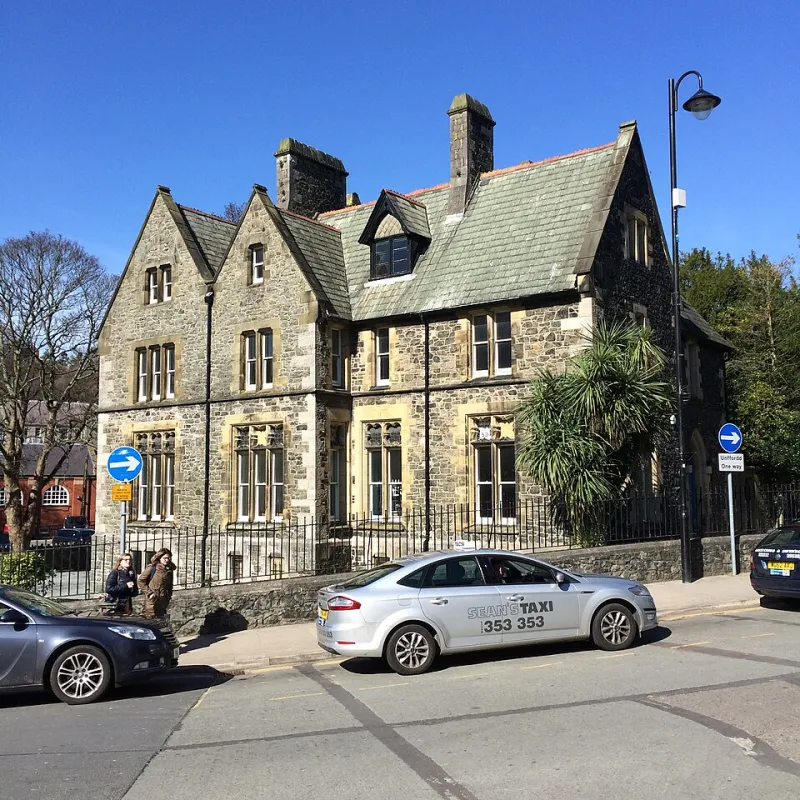
Photo: Deri Tomos, CC BY-SA 4.0, via Wikimedia Commons
Touring independent art beyond the capital is often framed as a leap into the unknown. It isn't. It's a chain of small, testable choices: what travels, who hosts it, what it costs, who hears about it, and what the work becomes when it lands somewhere new. At Gina Cross Projects, the most useful shift is to stop thinking of regional dates as a London export and start treating each stop as a collaboration with a place.
Start with the work, not the map
Before emailing venues, decide what version of the project can travel without losing its soul. A single-screen film with a live Q&A is different from an installation with six speakers and a fragile print. Make a 'touring spec': running time, power, internet, floor space, blackout, access needs, get-in time, number of people, technical rider. Keep it to two pages. If you cannot describe it plainly, you are not ready to book it.
Then pick the right kind of room. Independent galleries, arts centres, community cinemas, libraries, record shops, church halls, co-working spaces and festivals all host work, but they have different rhythms. A library will not have a black box. A record shop may have brilliant footfall and no blackout. A community centre may have the most committed audience and a projector from 2012. None of that is a dealbreaker; it just changes the work.
Choosing partners who actually want you
The best partner is not the most prestigious one. It is the one who can tell you who their audience is, how they will reach them, and what they can realistically provide. Ask questions before you confirm dates. A useful list:
- Who is this for, and how do you usually reach them?
- What is included in the venue fee: technician, projector, PA, insurance, box office, front of house, cleaning?
- Is the building step-free? Are there accessible toilets, hearing loops, captioning options, quiet space?
- What dates work, and what else is happening in the building that week?
- Do you have a local partner, group or programmer who can help shape the event?
- What do you need from me, and by when?
- What is the cancellation policy, and who covers costs if something changes?
Red flags are usually about vagueness. 'We can't pay but it's great exposure' is not a fee. 'We'll promote it on our socials' is not an audience plan. 'We don't have a technician, but you can probably work it out' is a cost waiting to happen. Be wary of venues that ask you to guarantee ticket sales, bring your own audience from London, or sign a contract with no access or cancellation terms. A good partner will be honest about limits. A bad one will promise everything and confirm nothing.
Build a budget that tells the truth
Touring budgets go wrong when travel is the only line item. Include artist fees, presentation fees, technician time, local collaborator fees, travel, accommodation, per diems, transport of work, insurance, marketing, access costs, contingency and your own time. Ten to fifteen per cent contingency is not pessimism; it is basic planning. If the budget only works when everything is free, it does not work.
Travel is where small shows get eaten. Advance rail fares, railcards, split ticketing and coach travel can save money, but they cost time. A van may be cheaper than two train tickets plus courier costs, until you add parking and congestion charges. Overnight accommodation is often the difference between a safe get-out and a dangerous drive. Do not treat your own unpaid labour as a discount. If a venue cannot pay a fee, ask what else they can offer: a workshop fee, a small commission, technical support, accommodation, or a genuine co-promotion. Get it in writing.
Make each stop site-specific
A London export is the same show with a different postcode. A tour is a conversation. Before each date, do a short local research call: what is the venue's history, who is already making work nearby, what would make this event feel like it belongs here? For a film, add a local filmmaker to the Q&A. For a sound piece, run a listening session with a local record shop or radio station. For an exhibition, invite a community group to respond, or make a cheap newspaper that includes local voices. Pay the people you involve. Site-specific does not mean exploitative.
Leave something behind, too: a zine, a set of captions, a short recording, a workshop plan. But ask first. The best legacy is a relationship, not a poster.
Marketing without a London halo
Local marketing is not a national press release with a regional date attached. Use the venue's newsletter, local listings, community radio, libraries, independent shops, cafes, workplaces and WhatsApp groups. Ask the host which channels actually work. Make assets with the correct venue name, date, access info and ticket link. Send copy early enough for print. If you are showing a film, check whether the venue can caption it. If you are hosting a Q&A, record it for people who cannot attend. And build in access from the start, not as a favour.
A short checklist
Before confirming dates: agree fee, tech, access, marketing, cancellation and who does what. Four weeks out: send assets, check travel, confirm local collaborators and access bookings. One week out: reconfirm times, get-in, contact numbers and ticket numbers. After: pay everyone, send thank-yous, collect photos and audience feedback, and write down what you would do differently.
The point is not to prove that London is irrelevant. It is to stop acting as if it is the only place where work can begin. A regional tour is a set of relationships with rooms, people and local histories. Treat each stop as a collaboration and the work will travel further than the van.