The Postcode Is the Plot: Building a Web Series That Could Only Happen Here
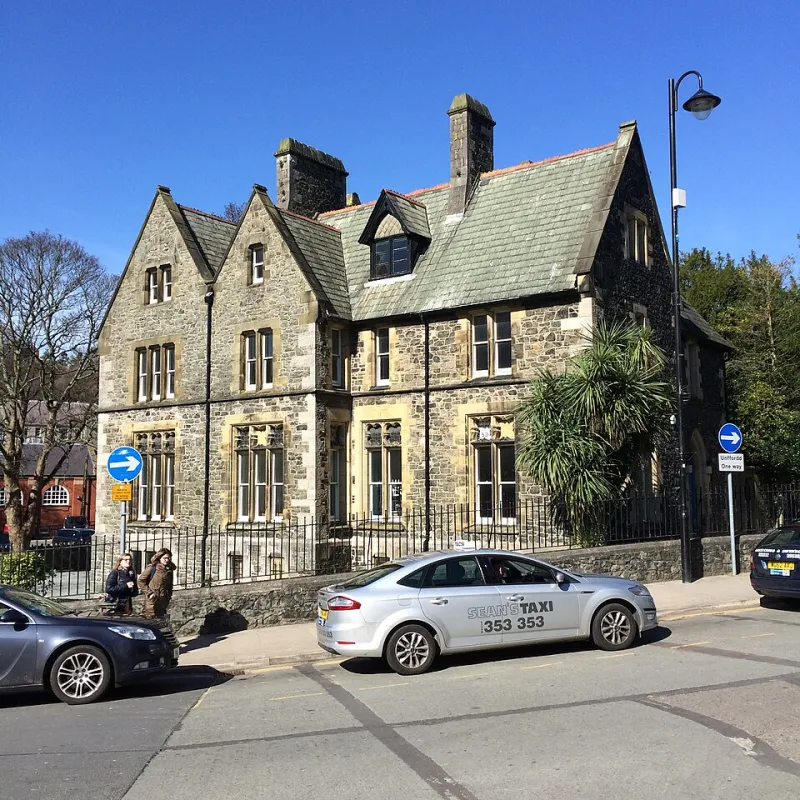
Six minutes is not a lot of screen time. It is, however, enough to show a bus stop that half a city knows by sight, a corner shop with a hand-painted sign, and the particular way light falls across a Victorian terrace at 4pm in November. That is the promise of the hyperlocal web series: fiction that could not be set anywhere else, made by people who live within walking distance of the locations.
Start With a Place You Cannot Swap Out
Generic is the enemy. If your script works in Bristol, Leeds and Cardiff with a few name changes, it is not local yet. The first job is to find what only one postcode knows: the bus route that everyone complains about, the chippy that closes at 8pm sharp, the community centre noticeboard with its overlapping judo and choir flyers. Walk the area with a notebook and a recorder. Talk to the person behind the counter. Ask what outsiders always get wrong. A Cardiff-based producer I spoke to calls this 'the swapped-out test': if you can change the postcode without changing the script, keep walking. Then build the story around a detail that cannot be relocated. A series about a late-night pharmacy queue on a specific high street will tell you more about a city than a generic rooftop chase.
Build a Crew That Fits the Pavement
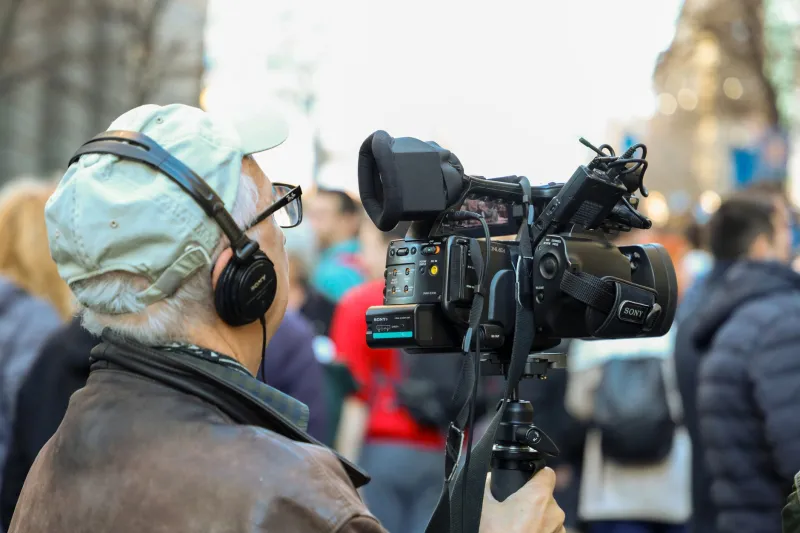
Hyperlocal does not mean amateurish. It means right-sized. A workable core crew for a six-minute episode is often four to six people: director, producer, camera, sound, and an editor who can also handle social cuts. Borrowed locations are possible, but they need care. Ask shopkeepers and community halls early, offer a credit and a screening invitation, and put public liability insurance and a simple risk assessment in place before anyone stands on a pavement with a tripod. In the UK, check whether your local authority film office needs a permit for filming in a public space. Pay local crew where you can, even if it is a day rate plus expenses. The collaboration lasts longer than the shoot.
Cast the Street, Not Just the Casting Site
Non-actors can be extraordinary when they are not asked to perform a version of themselves they do not recognise. Cast through libraries, community centres, youth groups, faith spaces and existing local networks. Hold relaxed sessions in familiar rooms. Be clear about time, travel and expenses. Get written releases. Safeguarding matters if you are working with under-18s or vulnerable adults, and it is not a box-ticking exercise. As one Leeds-based producer told me, 'We stopped asking actors to do the accent and started asking people who had it.' That does not mean abandoning professional actors. It means casting for truth, not polish.
Shoot for the Screen People Actually Use
Most viewers will meet your series on a phone, probably with the sound on but one eye on the kettle. That does not mean shooting something thin. It means framing close enough to read a face, recording clean sound, and cutting at a pace that respects six minutes. Keep episodes self-contained but connected. Release weekly if you can. Add subtitles as standard, not as an afterthought. Make vertical teasers from the same footage, but do not crop the life out of the frame. The goal is not to look like a streaming pilot. The goal is to look like it was made here, by people who know the place.
Make the Screening the Second Edit
A web series is not finished when it is uploaded. Book the back room of a pub, a community hall, or an independent cinema if the budget stretches. Invite the people who lent you their shop, their street, their time. Put the names on the door. Run a short Q&A. Pay for the room and any music you use. Make the night accessible: step-free access, captions, a quiet corner, and a clear end time for people who need to get the last bus. The screening will teach you what the edit could not. You will hear where the laughs land and where the room goes still.
Budget for the Boring Bits
The unglamorous line items are the ones that keep a local production honest. Insurance. Location releases. Music licences. Captioning. Travel and expenses for non-actors. Hospitality that is more than a packet of biscuits. A contingency of 10 per cent, because the shop will need to close early and the weather will not cooperate. Look at UK funding routes such as BFI NETWORK, local authority culture grants, and Arts Council National Lottery Project Grants, but do not build the series around an application. Build it around a story you can actually shoot with the people and places you have.
The Point Is Belonging
The measure of a hyperlocal web series is not whether it gets picked up by a streamer. It is whether someone in the audience nudges their mate when their street appears. It is whether the shopkeeper who let you film behind the counter comes to the screening and brings their family. It is whether the series makes a place feel legible to the people who live there, and a little less generic to everyone else. Six minutes from home is enough. Sometimes it is exactly the right length.