Frames of Reference: Getting Your Studio Work Onto a UK Cinema Screen
Photo: Stephen Darlington , CC BY-SA 2.0, via Wikimedia Commons
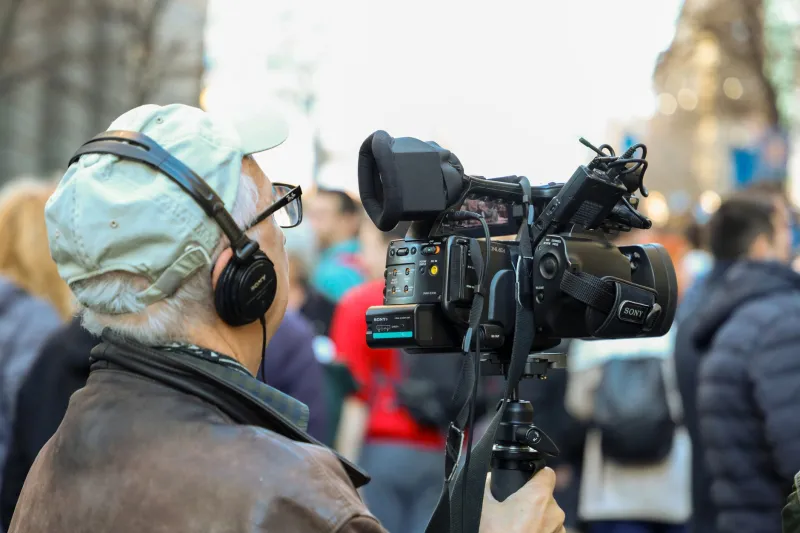
Filming your studio work can feel like inviting a documentary crew into a private argument. The camera changes the room. It makes you aware of your hands, your clutter, the light. But moving image does not have to flatten what you make. At its best, a short film can be an extension of the studio: another surface, another rhythm, another way of letting people spend time with an idea.
Decide what the camera is for
Before you storyboard a single shot, ask what the film is doing that a photograph cannot. Are you documenting a process, translating a material experience or collaborating with performers, sound artists or filmmakers? Those are different films. A documentation film needs clarity and context. A translation film needs atmosphere and restraint. A collaboration needs a shared language. Pick one primary job. You can make a gallery version and a cinema version later, but a film that tries to do everything will do nothing well.
Storyboard like an artist, not a studio executive
You do not need a polished animatic. You need a sequence of ideas. Sketch thumbnails: wide shot of the room, macro shot of the surface, hands mixing, the tool against the material, the work leaving the studio. Include the boring bits that carry meaning — sweeping up, waiting, checking, failing. A shot list is your friend. Write it, then shoot tests on your phone. Notice what looks alive and what looks like a catalogue image.
Think in motifs rather than plot. If your work is about repetition, let the edit repeat. If it is about scale, use a human body for reference. If it is about colour, resist the urge to correct it into something neutral. The camera should serve the work, not make it look like an advert.
Document the process without performing it
Set up before you start making. Overhead rigs, intervalometers and spare batteries are less romantic than a director’s monitor, but they are what let you forget the camera is there. Record room tone and material sounds separately. Keep a shooting log. Back up footage the same day. Capture the in-between moments: the pause before a decision, the sound of a tool, the mess after a good day.
If you are filming yourself, resist the temptation to stage a tidier version of your practice. Audiences can smell a set-up. A little mess is evidence of thought.
Treat sound as half the work
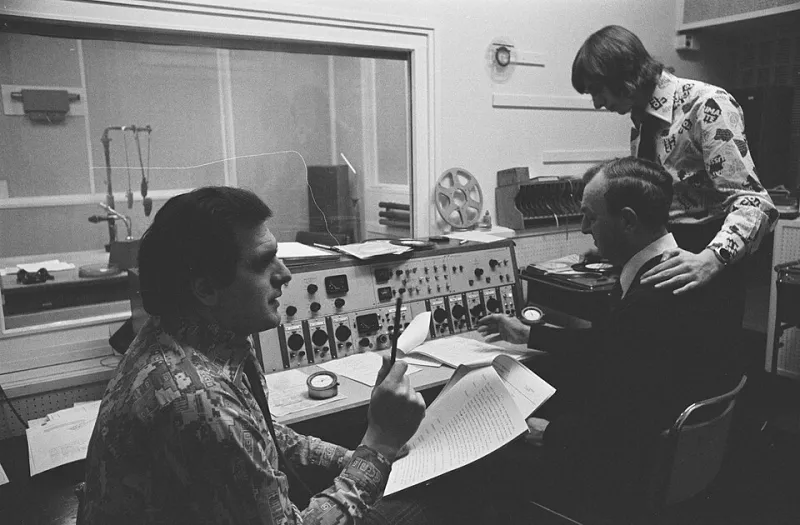
Bad sound makes a good film feel amateur. Good sound makes a modest film feel intentional. Record the actual sounds of your materials — paper, clay, metal, brush, breath, footsteps — and build a sound bed from them. If you use music, clear the rights in writing. Library music can work, but avoid the swelling piano track that makes every studio film feel like a bank advert. Collaborate with a sound designer or musician early, not in the final week. Mix for headphones and for cinema. Add captions; they are not an afterthought.
Edit for feeling, not chronology
A process does not need to be shown in real time. Cut for rhythm. Let a shot breathe. Use text only when it adds something the image cannot. Test the rough cut with someone who does not know your work and watch where they look away. That is usually where the film should tighten. Keep it short enough to be watched in a festival programme and long enough to earn its atmosphere.
Get it onto a UK screen
Start local: artist-run spaces, libraries, community cinemas and gallery screening nights. Then look at UK festivals such as Encounters in Bristol, London Short Film Festival, Aesthetica in York, Glasgow Short Film Festival and Leeds International Film Festival. Check premiere requirements before you post the film online. Budget for entry fees and make a simple press kit: synopsis, stills, director statement, credits, captions and a clean audio mix. Get release forms from collaborators and permissions for locations. If you are showing in a gallery, prepare a single-channel version with a clear run time and a loop point.
Keep the art intact
The screen is not a neutral window. It has its own grammar, its own distractions and its own intimacy. The aim is not to make your practice look cinematic. It is to find the cinematic quality that was already there — the pace of your hand, the weight of a material, the strange beauty of a half-finished thing. Film it like that, and the studio will survive the journey.