Build the Cupboard Before the Shoot: A Case for UK Kit Libraries
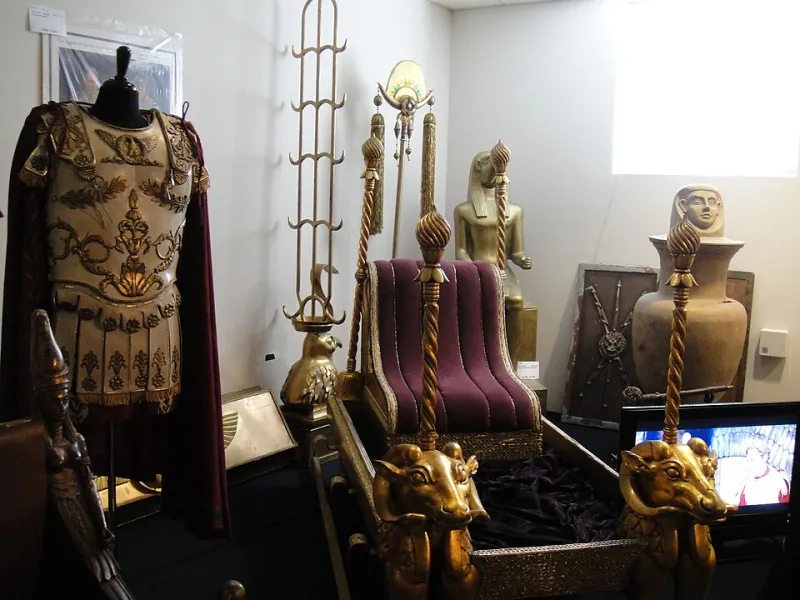
Photo: pop culture geek from Los Angeles, CA, USA, CC BY 2.0, via Wikimedia Commons
Every few weeks, someone in a UK film or theatre group posts the same request: does anyone have a fake severed hand, a 1970s telephone, a working Super 8 camera, or a costume that reads as ‘minor aristocrat with a secret’? The answer is usually yes. The problem is that the item lives in a spare room in Leeds, a lock-up in Bristol, or under someone’s desk in Glasgow, and nobody knows it exists until the shoot is three days away.
At Gina Cross Projects, we keep coming back to collaboration as something practical rather than warm and vague. A shared kit library is collaboration made physical. It is shelves, labels, loan forms and a group chat that actually works. In 2026, with production budgets stretched and storage costs rising, independent UK film does not need another shopping list. It needs better access to what we already own.
Start with what already exists
Do not begin with a lease. Begin with a list. Ask props makers, costume students, photographers, theatre companies, community groups and the person who always has a van. Ask what they would lend if the process were easy and the risk felt managed. You will often find a surprising amount of good kit sitting idle: tripods, LED panels, projectors, sewing machines, rails of costume, boxes of signage, furniture that only works for one scene but works brilliantly for that scene.
A kit library can start as a spreadsheet and three shelves. It does not need to be a warehouse. The first version should be small enough to understand. Pick a manageable category — props and costume, or camera support, or lighting — and build trust there before expanding. A scruffy but well-labelled cupboard beats a grand plan that never opens.
Insurance and trust need systems, not vibes
This is the bit people avoid. Do not hand a vintage lens to a stranger on a handshake and hope for the best. You need a simple loan agreement, a condition report with photos, clear return dates and a named person responsible for handover. Tier your items: everyday stuff can move quickly; fragile, valuable or sentimental pieces need a conversation and maybe a deposit.
Find a partner with existing governance. A local arts centre, a CIC, a community library or a film hub may be able to hold insurance, provide a bank account or act as custodian. Check what their public liability and contents cover actually says. If you are storing other people’s property, ask an insurer directly rather than assuming. This is not bureaucracy for its own sake. It is what lets people say yes.
Trust is also a culture. Make the rules visible, apply them consistently and do not make borrowing feel like begging. A library should have a way to flag damage without shame, a repair fund if you can manage it, and a clear process for late returns. People treat shared resources better when they can see the system working.
Storage is part of the creative brief
A damp shed is not a kit library. It is a slow-motion loss of other people’s belongings. Keep storage dry, secure and accessible. Use shelving, stackable bins, clear labels and an inventory with photographs. Record what goes out, what comes back and what needs fixing. If you can, set regular open hours so borrowers are not chasing one overworked volunteer at midnight.
Good storage also helps curation. If the shelves are organised by scene, era or function, people can browse. A costume rail sorted by ‘workwear’, ‘evening’, ‘uniform’ and ‘strange’ is more useful than a bin bag labelled ‘clothes’. The same goes for props. A cupboard with a bad spreadsheet is just clutter with paperwork.
Make lending visible
Shared resources survive when they are celebrated. Credit lenders on your website. Thank them in programme notes. Run a monthly skill share where someone shows how to use the weird lamp or alter the jacket. Invite borrowers to donate one item they no longer need. The library should feel like a growing conversation, not a locked room with a clipboard.
This is especially important for UK audiences and funders who are tired of short-term projects that vanish after the evaluation report. A kit library leaves something behind. It reduces waste, saves money and builds relationships between people who might otherwise never meet. It also makes small productions look more ambitious than their budgets suggest, which is a very British kind of magic.
Pilot before you pronounce
Do not launch with a manifesto and 400 items. Run a three-month pilot with twenty items, ten borrowers and one open day. Track loans, repairs, near misses and the time people save. Ask what was missing. Then decide whether you need more shelves, more insurance or simply better labels. The point is not to own everything. The point is to make sharing normal.
Independent film in the UK does not have a shortage of imagination. It has a shortage of shared infrastructure. Build the cupboard before the shoot. Start small, insure properly, label clearly and let other people help. The fake severed hand will thank you.