Keep the Weird Bits: How to Write a Funding Bid That Still Sounds Like You
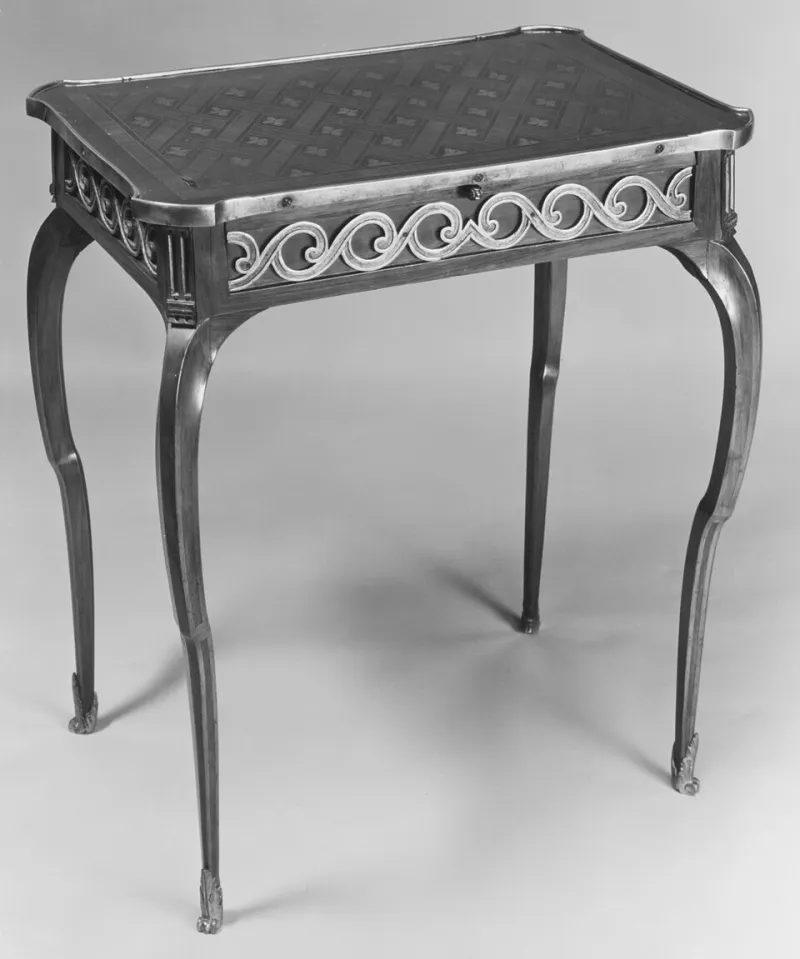
Photo: Roger Vandercruse Lacroix, CC0, via Wikimedia Commons
Funding forms have a smell. It's the smell of a project being slowly translated into a language it never spoke. The images become 'outputs'. The collaborators become 'stakeholders'. The strange, specific thing that made the work worth doing becomes 'innovative interdisciplinary practice'. By the end, you are not sure whether you are describing your project or applying for a different one.
This is not just a craft problem. UK arts funders in 2026 are asking harder questions about access, collaboration and public money. The form has to do a job. But the form is not the work. You can answer it clearly without sanding off what makes the project yours. At Gina Cross Projects, the strongest bids we see are not the most polished. They are the most legible.
The form is not the work
Remember what the form is for. It is a risk assessment. It asks whether the project is viable, who it reaches, how it is budgeted, whether access is built in and whether the collaboration is real. It is not a verdict on your imagination. Write the project first in your own words, then translate. Do not start with the boxes. Start with a one-page project story: who, what, where, when, why now, who it's for, what changes. Then map that story onto the questions.
Project narrative: verbs before adjectives
Before: 'This interdisciplinary, participatory project will utilise innovative methodologies to interrogate...'
After: 'We're making a 20-minute film with three musicians in Gateshead. We'll show it in two community centres and a record shop, with a live score at each screening. The film is about...'
Specific nouns. Plain verbs. If the project involves a choir of taxi drivers, say so. That is the art. Explain why it matters, not why it sounds trendy. Avoid 'innovative', 'intersectional' and 'world-class' unless you immediately say what you mean. Keep the weird bits. They are usually the clearest evidence that the project is real.
Budget notes that match the story
Before: 'Artist fees: £2,000 (miscellaneous)'.
After: 'Two artists x 10 days at £200/day = £4,000. Technician: £250/day x 2 days. Access: BSL interpreter for two Q&As at £300 each; captioning £450; travel for disabled collaborator £120.'
Access costs are not extra. They are part of making the work public. If you don't know the cost, call an access provider and ask. A named quote is stronger than a guess. Make the budget add up in the same order as the narrative. If the project is about listening sessions, show the listening sessions in the budget. If you are paying collaborators, show their fees. A budget that contradicts the story is the fastest way to lose a reader.
Collaboration evidence that isn't decorative
Before: 'We will engage stakeholders and community partners.'
After: 'We've already run two listening sessions with [named group]. They will choose the final three songs and be paid £150 each for their time. [Venue] has confirmed a date and will provide a technician. [Partner] has written a letter of support.'
Evidence can be emails, letters, minutes, co-designed questions, payment agreements. Do not call someone a partner if they have not agreed. Do not use logos as proof of relationship. Show reciprocity: who decides, who is paid, who benefits, who can say no. Funders can tell the difference between a real collaboration and a list of names.
Access costs are part of the art
Don't bury access in contingency. Budget captions, audio description, BSL interpretation, palantypists, relaxed performances, travel support, childcare, quiet rooms, accessible formats. If the funder has an access support line, use it. Access is not a box-ticking add-on; it changes who can be in the room. A project that is accessible from the start is a better project, not a compromised one.
The red flags in your own draft
Jargon, passive voice, overpromising, no named people, no dates, a budget that doesn't match the narrative, 'we will evaluate' with no method. Read it aloud. If you wouldn't say it to a collaborator, rewrite it. Use first person if the funder allows. Keep sentences short. Use headings. Check the word count. Ask someone outside the project to read it and tell you what they think you're making.
A before-and-after checklist
- Does the first paragraph say what you are actually making?
- Are the people, places and dates named?
- Does the budget explain each cost in plain English?
- Are access costs visible and costed?
- Is collaboration evidenced, not just claimed?
- Would a friend recognise you in the writing?
- Have you kept the strange, specific detail that makes it yours?
The strongest applications are not the most polished. They are the most legible. You are not trying to sound like a funder. You are trying to help a funder understand your project without removing what makes it worth doing. Keep the weird bits. Explain them. Cost them. Pay people. That is the work.