Turn It Up, Credit It Properly: Giving Gallery Sound the Headline It Earned
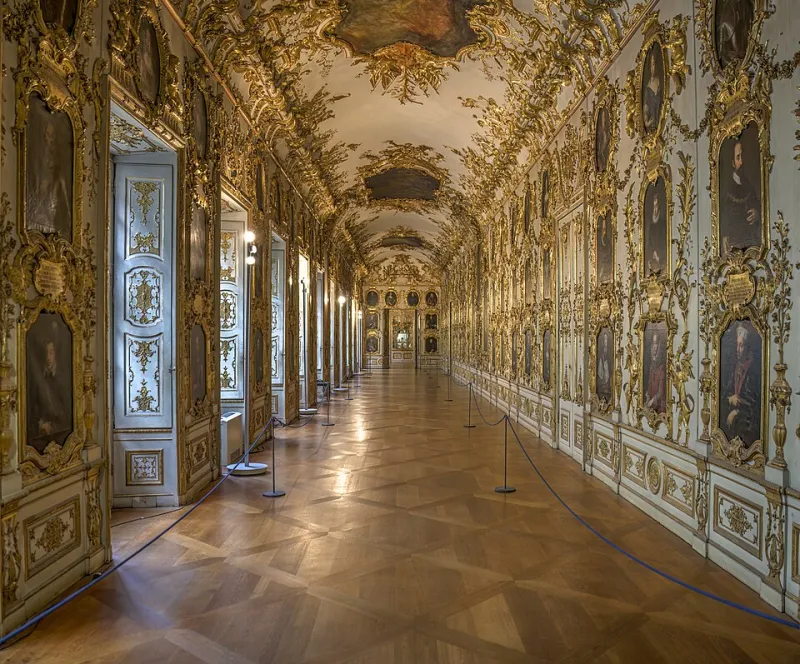
Photo: Wilfredor, CC0, via Wikimedia Commons
Walk into almost any UK gallery and you will hear it before you understand it. A low thrum from a hidden subwoofer. A bird call repeating every 40 seconds. Footsteps on concrete. The click of a projector. Sound is often the first thing visitors feel and the last thing on the credit list. That imbalance needs fixing.
The Invisible Collaborator
Behind a gallery sound work there is usually a composer, a field recordist, a sound designer, a technician, or all four. They visit the site months before install. They measure reverberation, test speaker positions, map how sound bleeds between rooms, and work out how a piece will behave when 30 people are breathing in the same space. They make stems, loops, fail-safes and documentation. They return at 9am to fix a channel that has drifted. Yet the wall text often says 'sound' as if it were a cable. If sound shapes how visitors move, it is not support. It is authorship.
What Gets Missed When Audio Is an Afterthought
Bad rooms are not edge cases. They are the norm. Concrete floors, glass atriums, low ceilings, adjoining galleries with competing audio, and ventilation that hums in B flat. A piece that sounds extraordinary in a studio can turn to mush in a Victorian room with a high ceiling and a hard floor. Visitors with hearing aids or sensory sensitivities may find unexpected bass physically uncomfortable. Families may avoid a gallery because a sound piece is too loud for a toddler. None of this is solved by turning the volume down at the last minute. It is solved by commissioning sound as part of the exhibition's architecture.
Budget Sound Like a Headline
Look at the budget line and you will see the hierarchy. If a show has thousands for marketing and a few hundred for sound, the venue has already decided that audio is decoration. A headline sound commission should include: artist or composer fee; recording and post-production; equipment hire or purchase; installation labour; maintenance during the run; deinstall; captioning or transcripts; access advice; and a contingency for the room doing something unexpected. Licensing should be a separate, visible line. Check whether the venue needs a PRS for Music licence for public performance, confirm the terms for any recordings, and get territorial and duration rights in writing. If the work will be excerpted online, say so in the contract.
Commissioning Notes That Actually Help
Vague briefs produce vague sound. Ask for the loop length, the number of channels, the speaker layout, the intended volume range, and the files in a format the venue's technician can actually use. Request stems, not just a stereo mix. Ask what happens if a speaker fails. Ask for a 'quiet hour' version if the piece is intense. Ask for a short transcript or content note for access. And agree credit wording early. 'Sound design by' is not the same as 'sound support'. The former belongs on the wall, the website, the press release and the artist talk.
Making It Work in Awkward Rooms
Test in the room, with the room full, not empty at 8am. Use directional speakers where bleed is a problem. Delay speakers to pull focus. Add acoustic panels if the budget allows, or choose a piece that works with the room rather than against it. Separate sound zones so two works do not become a shouting match. Calibrate volume with visitors present, including people who use hearing aids. Provide seating and a clear route out of the sound field. A gallery that plans for access from the start will make a better show for everyone.
Credit Where It Is Due
Credits are not admin. They are the record of who made the work. Name the composer, the recordist, the sound designer and the technician. Put them on the wall text, in the press release and on the website. Pay them for talks and workshops. Include their process in the documentation. If the audio is the reason people slow down in a room, it deserves the same billing as the artist.
The Last Word
Sound is not atmosphere. It is architecture, timing and emotion. UK galleries have spent years learning to treat light and space as headline elements. Audio needs the same respect. Commission it properly, budget it honestly, credit it clearly, and listen to the room. The quiet headliner has been carrying the show for too long.