Show the Rough Cut: Why UK Arts Audiences Want the Messy Middle in 2026
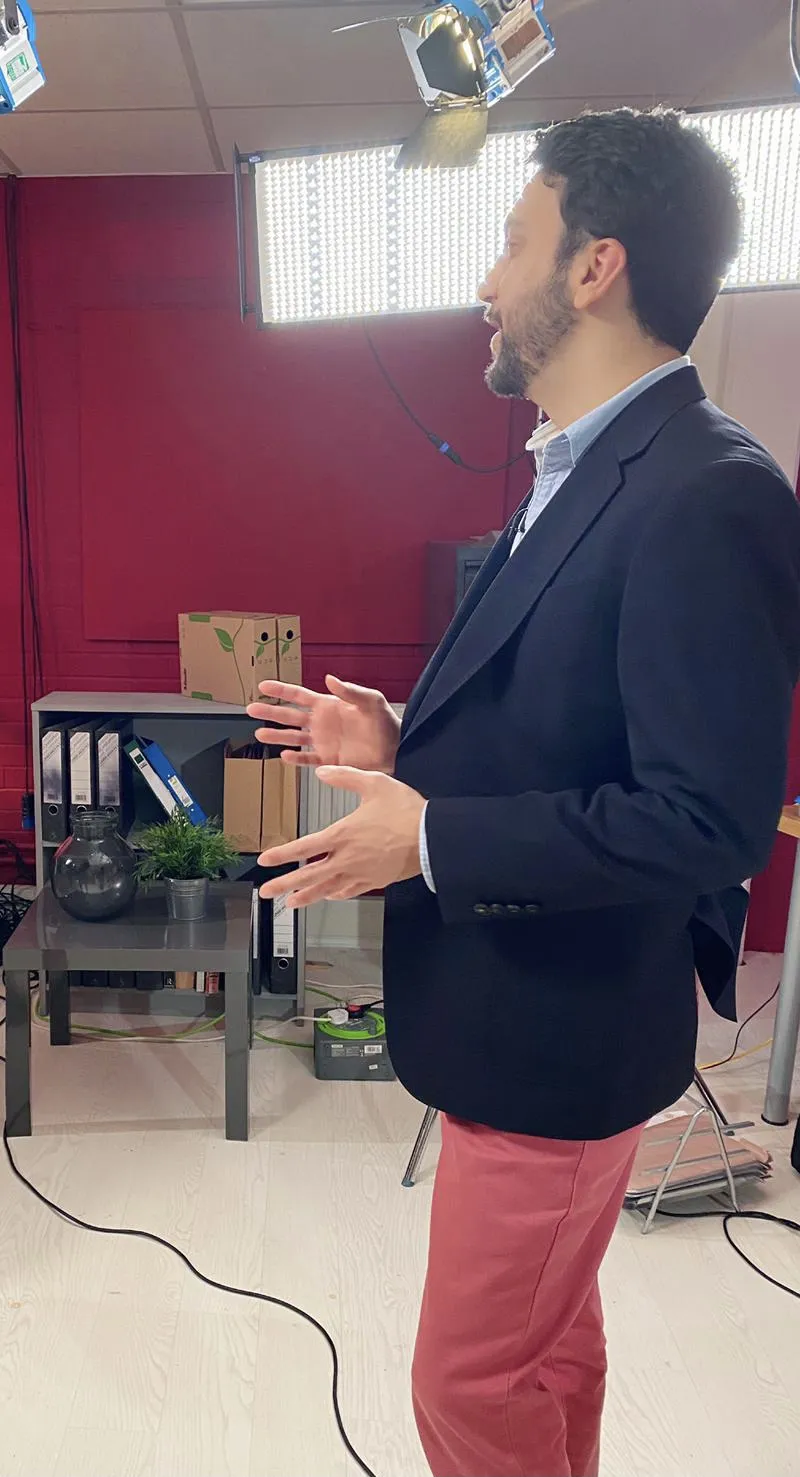
Photo: ThePersianDoctor, CC BY-SA 4.0, via Wikimedia Commons
Here is a confession: I have never been moved by a perfectly lit photograph of an artist's hands. I have, however, been gripped by a shaky phone video of someone trying to fix a projector ten minutes before a show opens.
That is the energy I want more of in 2026. Not because polish is bad, but because polish is everywhere. UK arts audiences are not short of beautiful images. We are short of context. We are short of the bit where someone says, 'We tried this and it did not work, so we tried that instead.'
The portfolio problem
For years, the public face of creative work has been the highlight reel: the finished painting, the production still, the five-star quote, the nice bit of copy about 'exploring themes of identity and place'. All of that has its place. But it flattens the story. It makes the work look like it arrived fully formed, rather than being made by people with limited time, contested ideas and a Tesco meal deal.
Meanwhile, audiences have become fluent in behind-the-scenes language. They watch breakdown videos, rehearsal clips, pottery fails and editing timelines. They know that creative work is a process. When institutions only show them the shiny end point, it can feel less like an invitation and more like a press release.
Process is a form of hospitality
Showing the middle gives people a way in. A studio diary from a shared workspace in Salford, a voice note from a composer, a contact sheet with the frames that did not make the cut: these are not 'extra content'. They are the work explaining itself.
I am not arguing that every artist owes the world a documentary about their breakfast. I am arguing that process media, done well, builds a different kind of relationship. It says: this was made by people, in time, with constraints. You do not need a degree in art history to be curious about that.
For UK arts organisations, this is a real opportunity. Local galleries, touring companies, community arts projects and independent studios are already sitting on a goldmine of honest material. The trick is to treat it as part of the public offer, not an afterthought for the social media intern at 4.55pm on a Friday.
The ethical bit we cannot skip
Here is where the progressive case for process media has to get serious. Showing the messy middle is not a licence to extract. The fact that something is 'real' does not make it fair game.
Consent is not a one-off form signed at the start. It is an ongoing conversation, especially when power is uneven, which it usually is. A freelancer may not feel able to say no to a camera in the room. A community participant may not want their unfinished work broadcast to strangers. A collaborator may be happy with a rough cut in a private review but not with it going on a public channel.
So build in the right to withdraw. Pay people for their time and labour. Be clear about where the material will live and for how long. Do not mine trauma because it performs well. And if you are co-creating the story, actually co-create it. Ask people how they want to be represented, not just whether they are okay with being filmed.
Real does not mean raw
There is a lazy version of this argument that says process media should be unfiltered. I do not buy it. A rough cut still needs craft. Honest does not mean unedited. It means clear about what it is.
A three-post studio diary, a one-minute edit with captions, an annotated sketchbook page: these are forms. They need shape, rhythm and context. The point is not to show everything. The point is to show enough that the finished work feels inhabited.
And yes, budget for it. If documentation is part of the project, it should be part of the project budget. That means paying a filmmaker, a photographer or a writer properly, not asking a collaborator to 'grab some content' on top of their actual job.
What 2026 could look like
At Gina Cross Projects, we are trying to build a studio culture where the behind-the-scenes is not a bonus feature. It is one of the ways the work meets people. That might mean publishing a rough-cut conversation alongside a finished film, or letting a rehearsal room be part of the public programme rather than a secret.
So here is a challenge for the UK arts sector this year: stop treating process as a marketing add-on. Commission it. Credit it. Pay for it. Let audiences see the joins. The messy middle is not a threat to the finished work. It is often the reason people care about it in the first place.