Shop Windows, Open Doors: Making Art in Britain’s Vacant Retail Units
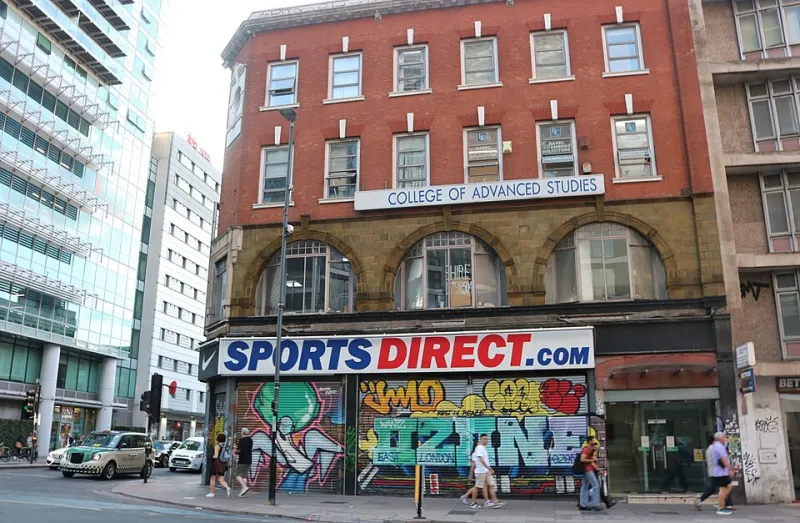
Photo: David Howard , CC BY-SA 2.0, via Wikimedia Commons
Walk through almost any UK town centre in 2026 and you will see the same rhythm: a busy café, a charity shop, three units with their shutters down, then a bus stop. Empty shops are usually framed as a problem. For artists, they are a resource hiding in plain sight. A vacant retail unit gives you street-level visibility, easy access and a landlord who may be more flexible than you expect. The trick is to treat it as a creative project, not a squat with a private view.
Start with the awkward conversation
Landlords are not arts funders, and they do not need to be. They need a unit that looks occupied, insurance that holds up and a tenant who will not create a headache. Go in with a one-page proposal: who you are, what you will do, when you will open, how you will keep the space safe and what happens at the end. Ask about a meanwhile use agreement or a licence rather than a full lease. Check business rates with the council before you sign anything; small art spaces sometimes qualify for relief, but the rules vary. Confirm who pays for utilities, waste, fire safety and public liability insurance. Put the exit date in writing.
Do not overpromise footfall. A landlord who has been told you will bring thousands through the door will be disappointed by a quiet Tuesday. Promise a clean, active, well-presented space and a clear schedule. That is usually enough.
Make the space legible from the pavement
A shopfront is a stage. If people cannot tell what is happening from the street, they will keep walking. Use plain signage, open hours that match the high street rather than the private view, and a window that changes often. A former phone shop in a market town can become a print studio with a rolling demonstration in the window; an empty department store can host a shopfront gallery, a zine table and a repair café on different days. The model is visible in 2026 in places such as Stockport, Grimsby and Newport, where artists are mixing studio time with drop-in workshops and late openings timed for commuters.
Programme for local rhythms. Market day, school pick-up, lunchtime and Saturday morning matter more than a Friday night opening. Keep some events free. Make the entrance step-free if you can, and say clearly if it is not. Talk to neighbouring businesses; a café next door will send people your way if you send people theirs.
Measure what matters, then prove it
Community impact is not just a door count, but a door count helps. Keep a simple tally, a comments book and a note of where workshop participants live. Photograph events with consent. Ask local traders whether they noticed a difference. Collect two or three case studies: the teenager who came in every week, the retired joiner who taught a repair session, the parent who had never been to a gallery before. Funders and councils respond to stories, but they also need numbers. Give them both, and be honest about what a six-week project can and cannot do.
Budget for the boring stuff
Free space is rarely free. Insurance, cleaning, heating, toilet access, security, signage, waste removal and accessibility adjustments all cost money. Build a contingency. If you are applying for a small grant, include the unglamorous line items; they are the ones that keep the shutters open. Keep a folder of receipts and permissions. It makes the next negotiation easier.
Leave better than you found it
When the project ends, repaint, remove fixings, document the space and share what you learned. A landlord who has had a good experience is more likely to say yes to the next artist. That is how a temporary unit becomes part of a local ecology rather than a one-off stunt. The high street does not need more empty windows. It needs more people willing to use them well.